
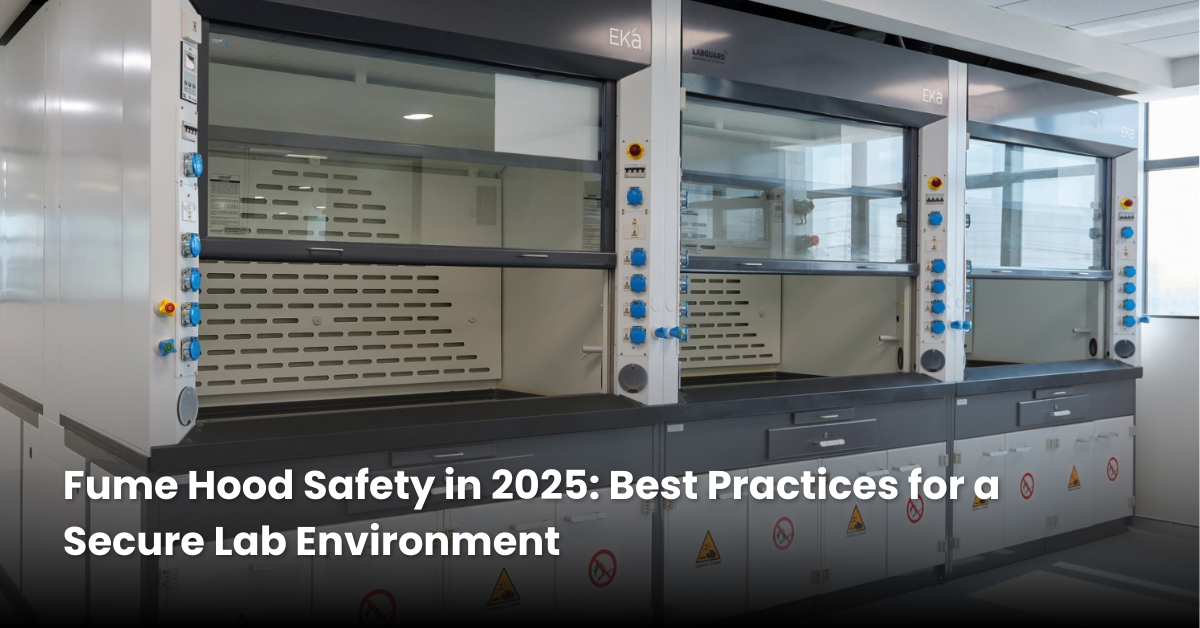
Why Fume Hood Safety Matters
Fume hoods are critical safety components in laboratories, protecting researchers from exposure to hazardous fumes and ensuring compliance with stringent safety regulations. With 2025 upon us, it’s essential to assess the safety and functionality of your fume hoods. Here’s a comprehensive guide to ensuring your lab is equipped with safe and compliant fume hoods.
1. Pre-Use Safety Checks
Before each use, ensure the following key elements are in place:
- Visible Calibration Sticker: Verify that the hood is calibrated and certified for use.
- Marked Sash Height: The highest safe sash height should be clearly indicated to prevent overexposure.
- Operational Exhaust Blower: Ensure the exhaust system is functioning efficiently.
- Accurate Airflow Monitor: The airflow gauge should display safe velocity ranges.
- Unobstructed Baffles: Keep hood baffles free from obstructions for optimal airflow.
- No Nearby Air Diffusers: Avoid placing air diffusers near the hood to maintain proper containment.
2. Operational Standards for Safe Use
A fume hood’s performance hinges on adherence to operational standards:
- Face Velocity: Ensure an airflow velocity of 0.3-0.5 m/s based on the hood type and manufacturer’s recommendations.
- Sash Height: Keep the sash height no more than 450 mm open to maintain containment efficiency.
3. Compliance with Performance Standards
Regular testing of fume hoods is non-negotiable for safety and regulatory compliance. Ensure annual testing as per recognized standards, such as:
- SEFA-1: The Scientific Equipment and Furniture Association’s standard.
- ASHRAE-110: The American Society of Heating, Refrigerating, and Air-Conditioning Engineers’ performance test for fume hoods.
- EN-14175: The European standard for fume hood containment.
4. User Safety Practices
Promoting safe usage practices among lab personnel is critical:
- Always keep your head outside the plane of the hood.
- Close the sash whenever possible to reduce exposure and conserve energy.
- Maintain a distance of at least 6 inches between equipment and the sash while elevating equipment 2-3 inches for optimal airflow.
- Clean chemical spills immediately to prevent contamination.
- Avoid storing chemicals permanently in the hood; instead, use ventilated underbench cabinets.
5. The Need for High-Performance Fume Hoods
As labs evolve, upgrading to high-performance fume hoods is essential for maintaining safety, efficiency, and compliance. Features of modern high-performance fume hoods include:
- Advanced airflow controls.
- Enhanced containment capabilities.
- Energy-efficient designs.
LabGuard specializes in designing and delivering high-performance fume hoods tailored to meet your lab’s needs, ensuring a safe and compliant workspace.
Fume hood safety is not just about meeting regulatory requirements; it’s about protecting researchers, maintaining operational efficiency, and fostering a culture of safety. Regular assessments, adherence to standards, and user education are key to achieving these goals. Partner with LabGuard to upgrade to safer, high-performance fume hoods and stay ahead in 2025.
