
LabGuard Blog: Essential Insights for Building Safer and Smarter Research Labs
Explore expert insights on lab fume hood design, modular lab furniture, and evolving safety standards. Stay ahead with trends that shape modern, efficient laboratories.
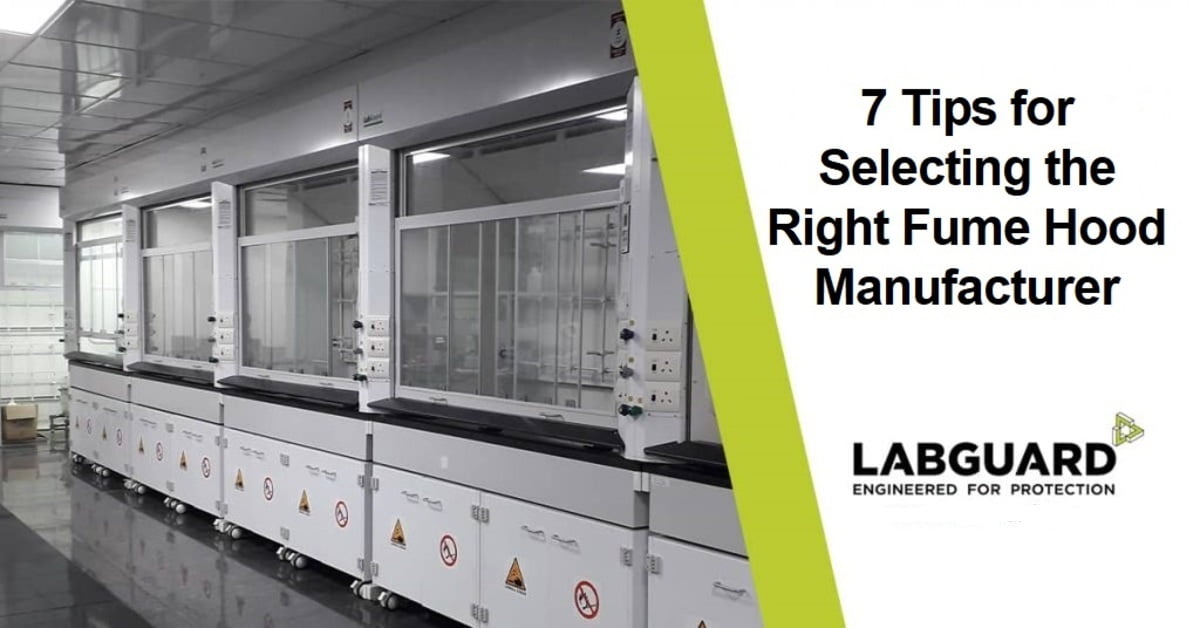
Select the Right Fume Hood Manufacturer for your laboratoryHere are some useful tips to help with fume hood manufacturer selection:1. Expertise in Global StandardsA fume hood doesn’t work in isolation but is a part of the complex laboratory ecosystem. The right fume...

National Science DayIndia observes February 28 as National Science Day. On this very day, in 1928, Sir C.V. Raman, announced his discovery related to “the phenomenon of the scattering of light, as it passes through material molecules”. He was granted a Nobel Prize in...
Any equipment could pose some issues during its working and the Fume Hood is not an exception. Let us discuss some common complaints related to the working of a fume hood and ways to resolve them.Basic ChecksMost often it is reported that the fume hood is not offering...
You have received a communication from the manufacturer that the ordered fume hood(s) is ready for dispatch. This is just about the time to take a look at the prerequisites for installation. Proper management of the installation process will save a lot of time and...
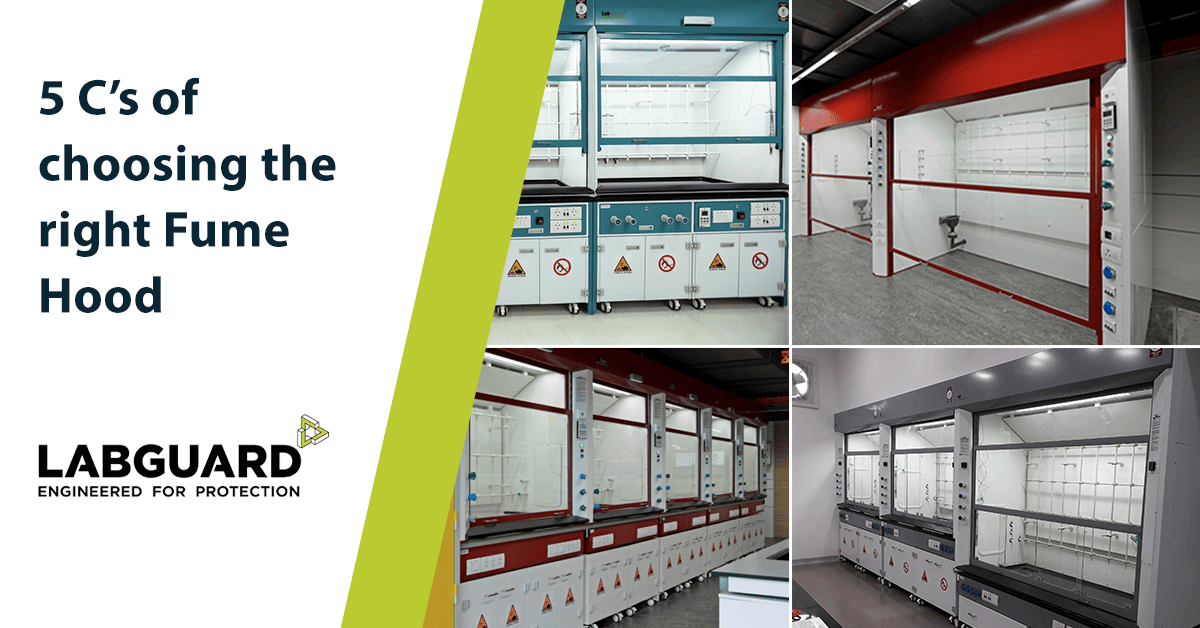
Routinely, scientists and researchers work in an environment that contains airborne chemical contaminants. The sources of these contaminants could be chemical powders, hazardous chemicals, odors, VOCs, and gases. The safety of lab users and the lab environment is the...
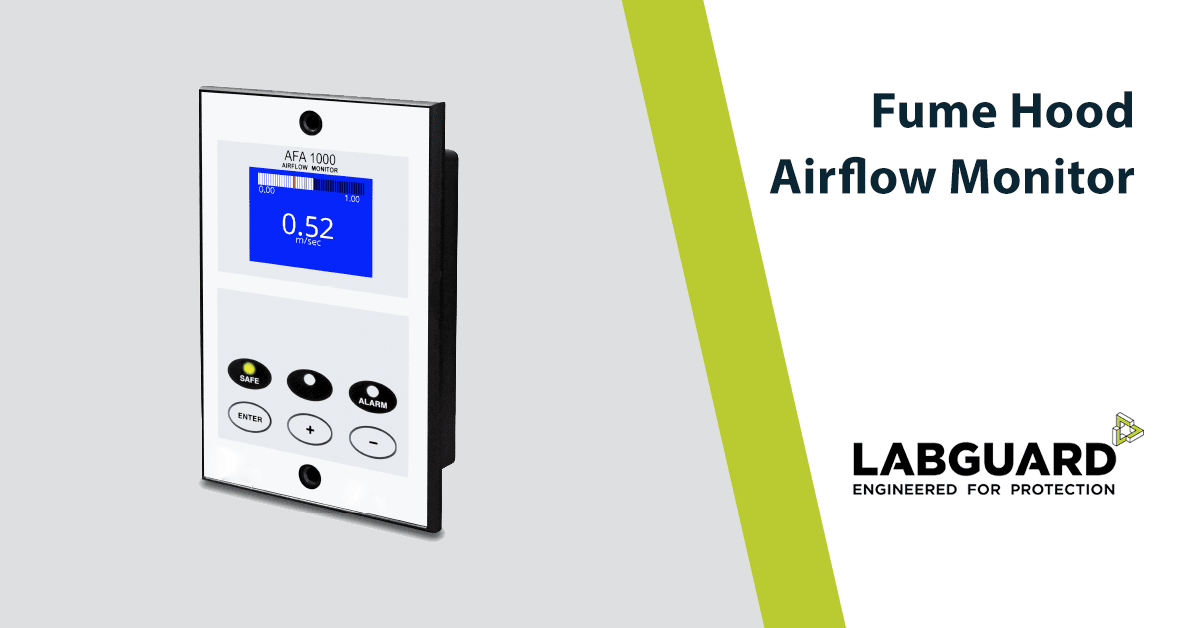
A fume hood is essentially a safety device. It protects the user from hazardous airborne chemical contaminants. It is therefore important that fume hood performs this primary function without fail, at all times. A small piece of an instrument called Airflow Monitor...
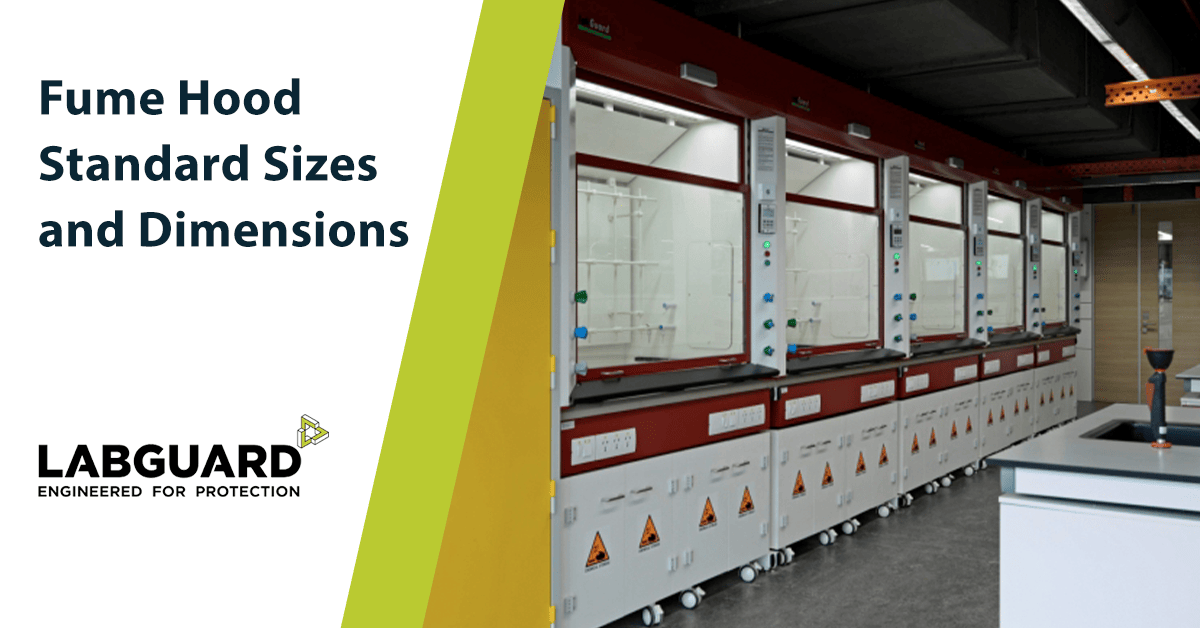
While selecting a fume hood the most obvious parameter that needs attention is the size and overall dimensions. Lab space availability and features, Type(s) of intended experimentation, Equipment setup needs, and finally Ease of working should help in determining the...
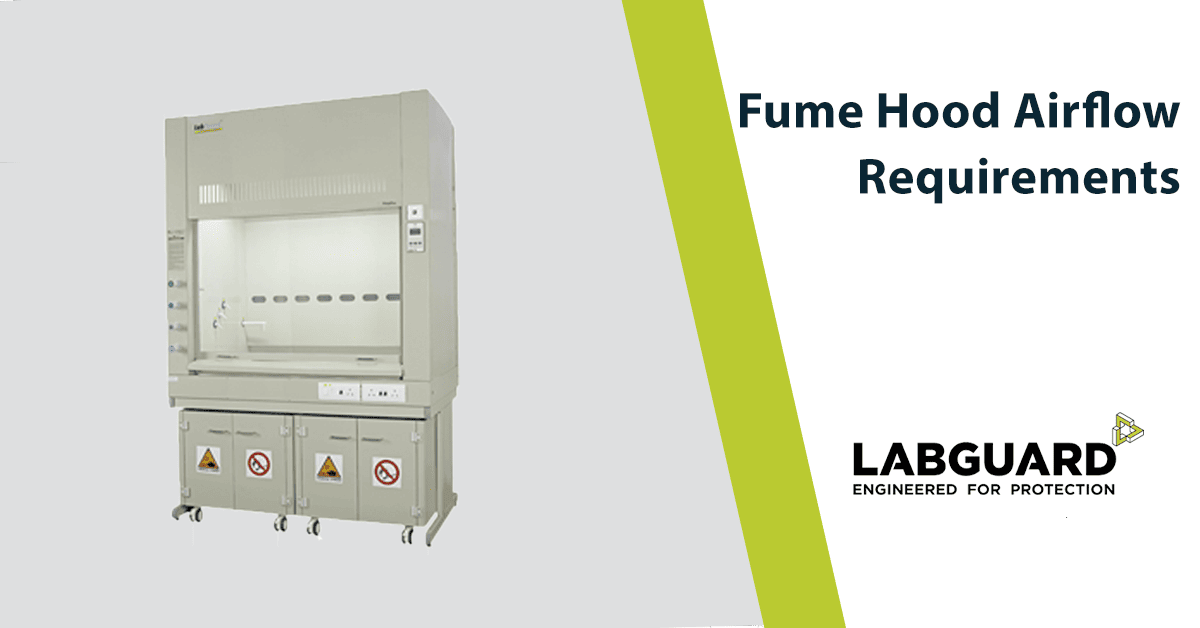
Why Airflow Is Critical for Fume Hood Performance A fume hood is not just a piece of lab furniture — it’s air-handling safety equipment designed to protect researchers by removing and containing airborne contaminants. Proper fume hood airflow ensures that harmful...
Fume Hood by itself keeps the user and the lab environment safe by reducing airborne contaminant hazards. However, there are additional accessories available to enhance the safety and convenience of the users. These accessories must be carefully chosen and specified...
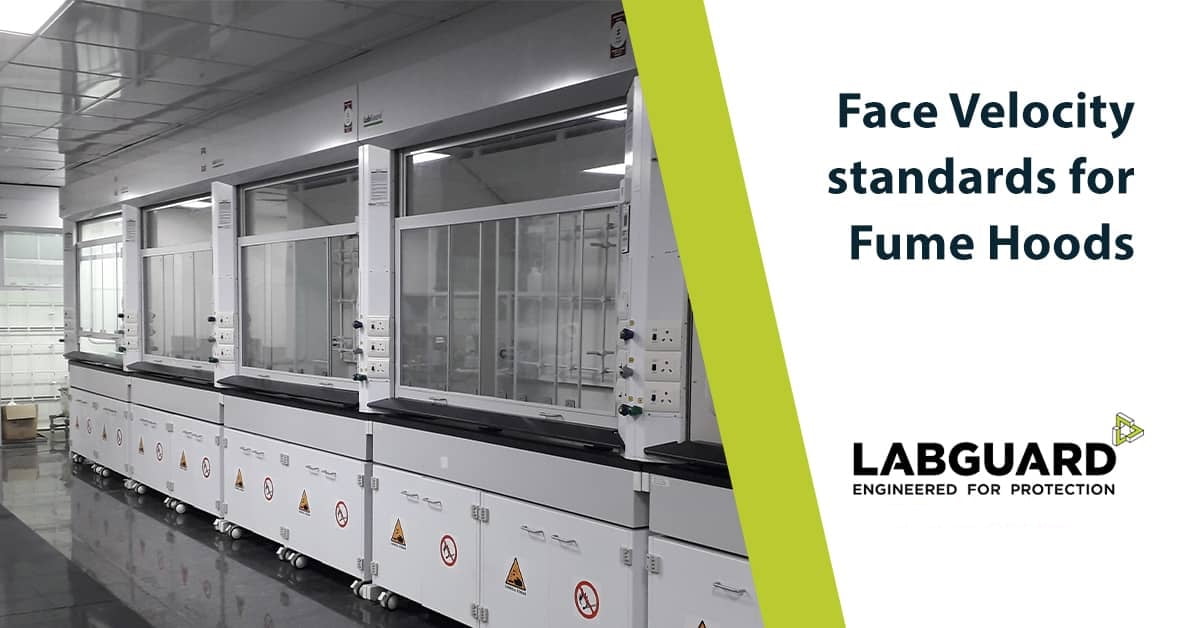
A fume hood works by drawing the air past the user, into the fume hood, fumes contained inside as the experiment is on-going, and exhausting the contaminated air safely outside the facility. Obviously, the air velocity must be sufficient enough to serve this purpose....
Subscribe to our newsletter
LabGuard sends monthly newsletters to lab community. The newsletters mainly contain good lab design practices, details of various international standards, tips about lab infrastructure, lab safety assessment, lab ventilation guidance etc.